- Oneflare /
- Cost Guides /
- Self Storage

How Much do Storage Units Cost Per Month?
$260 - $600 per month
What is the average cost of a self-storage unit per month?
These days, many people and companies choose self-storage facilities for various purposes, such as packing, organising, or safeguarding personal goods. These units offer convenience and versatility at an average price of $260 to $600 monthly. But it’s important to know the variables affecting the total cost.
This guide will help you understand storage unit prices, including monthly and weekly rates, location-based pricing, additional fees, and the benefits of different storage types.
What are self-storage units?
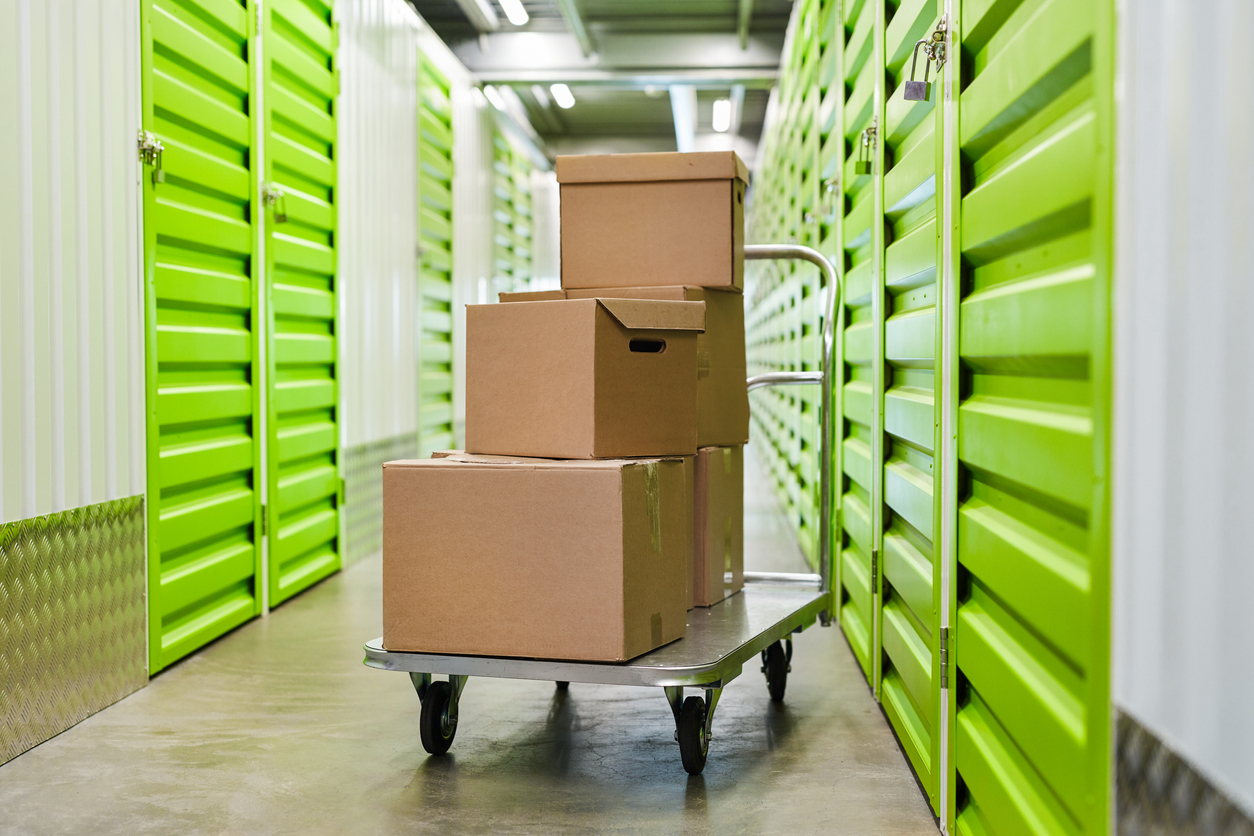 Image source: iStock
These facilities are private, safe areas that people and companies can rent to store their belongings. Since they are available in a range of sizes and types, these units can accommodate a variety of products. Self-storage units are an adaptable and convenient choice whether you require long-term storage for something you don’t use often or short-term storage during a relocation.
How much does a self-storage unit cost per month?
The average cost of a self-storage unit varies depending on many criteria, including location, size, and kind of storage. For a small to medium-sized storage facility, you should budget between $260 to $600 per month on average and up to $800 for a bigger unit. The rate could change depending on the facilities and the demand for storage units in a given location.
How much does a self-storage unit cost per week?
While monthly rates are the standard billing cycle for self-storage units, some facilities offer weekly rates of around $100 for added flexibility. This option is ideal for short-term storage needs, providing a cost-effective solution if you need temporary storage.
What is the average monthly self-storage unit cost in Australia based on location?
In Australia, the average cost of self-storage units can vary significantly based on location. In metropolitan areas, where demand is higher, prices tend to be higher compared to regional or suburban areas. Here are the estimated self-storage prices in major cities:
| City | Average storage unit costs per month |
| Sydney | $140–$550 |
| Melbourne | $170–$600 |
| Brisbane | $185–$400 |
| Canberra | $130–$400 |
| Perth | $180–$500 |
Benefits of using a self-storage unit
Reduces clutter
You can tuck away rarely used items in a self-storage unit to maintain a more organised and tidier living or working space.
Allows you to downsize to a smaller home with less storage space
By storing belongings that are not immediately needed but are still valued, you can comfortably transition to a smaller living space without sacrificing important possessions.
Guaranteed security
All items stored are placed in a locked unit. Plus, many self-storage unit facilities employ surveillance cameras for added security and visual monitoring. Some even have security guards who patrol the premises and deter any threat or suspicious guests.
Cost-effective
Facilities often provide competitive pricing to suit different budgets. You can choose from a range of unit sizes and features as well as flexible plans to accommodate diverse storage space needs and budgets.
Protection from environmental damage
Your items are shielded within secure units, safeguarding them from external factors. Storage units maintain a dry environment, preventing damage caused by moisture and protecting valuables from environmental wear, ensuring their quality is preserved over time.
Factors affecting self-storage costs
Location
Larger cities and major urban centres are typically connected with greater costs due to higher living expenses and real estate prices. On the other hand, storage facilities outside of city limits are typically more affordable. When selecting a rental site, weigh the pros and cons of less convenient facilities to see if you may get a better deal.
Rental period
One factor that affects costs is how long your storage contract is. Short-term rentals lasting a few weeks usually cost more than longer-term agreements. Examine the length of time and amount of storage you require to maximise savings.
Climate-controlled units
Certain items, such as leather, wood, electronics, hardwood furniture, carpets, pictures, books, and artwork, may need a climate-controlled area. Sensitive items are kept safe in these areas thanks to the constant temperature and humidity levels maintained there. Facilities with climate control, however, are frequently more expensive. Choosing a non-climate-controlled unit can be a more cost-effective option for non-sensitive objects.
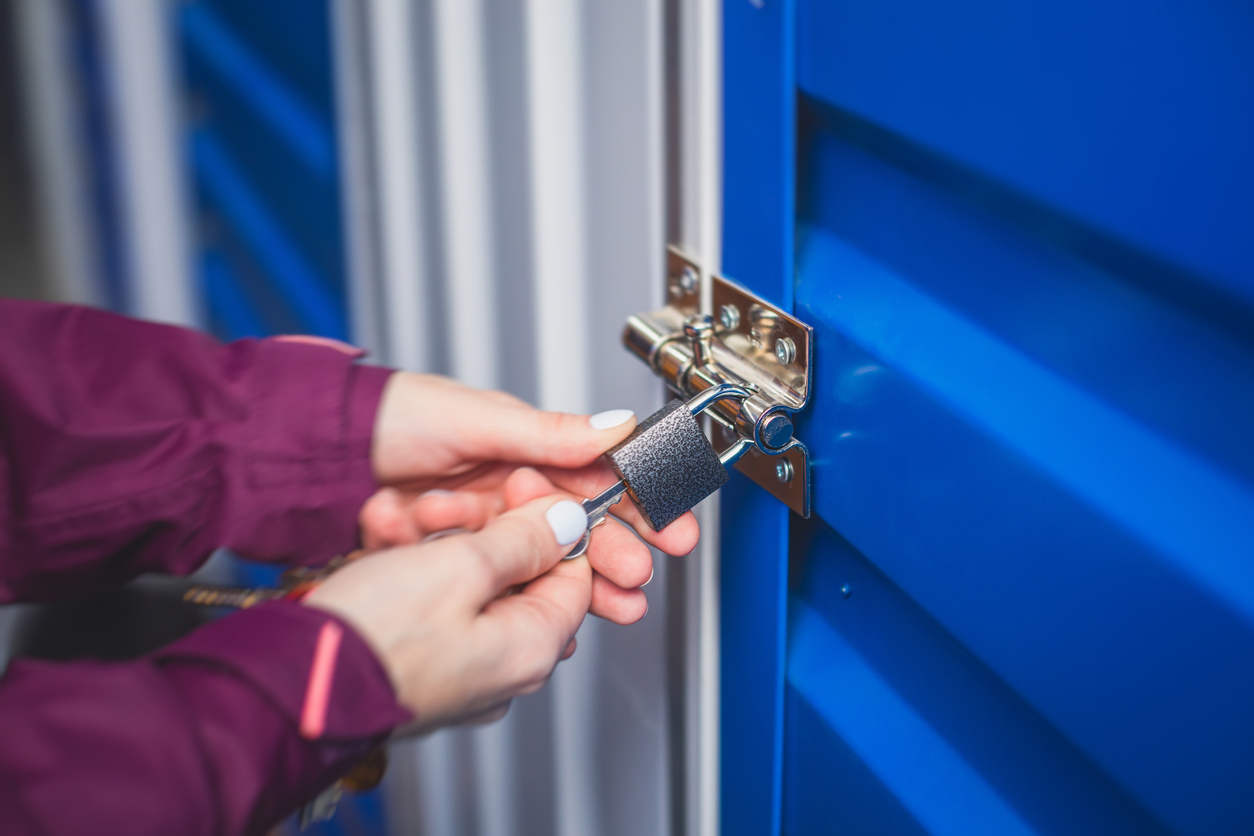 Image source: iStock
Security
Storage units come with varying levels of protection, from simple lock and key arrangements to establishments with CCTV and security patrols. While added security might increase the cost, the peace of mind knowing your items are safe is worth the extra dollars.
Unit size
Costs are often greater for larger storage facilities. For example, a 3 x 3 x 3-metre ordinary storage unit usually costs about $115 monthly. Prices can vary, so it’s important to determine your exact demands to avoid paying too much for extra room.
Take into account common measurements such as 5 x 1.5 x 3 m (fits 10–20 average-sized boxes) or 5 x 3 x 3 m (fits a three-bedroom house or compact car) to maximise space and expense savings.
Seasonality
Because of variations in demand, the time of year you look for storage might impact costs. When demand is high around Christmas or the start of the year, prices may go up. Summer is the busiest moving season, so storage costs may also rise during this time. Consider storing during slower seasons, such as spring and autumn, when facilities might provide more affordable prices and demand is lower.
Additional costs or hidden fees
It’s critical to be aware of any potential additional expenses or hidden fees when renting a self-storage unit. Security deposits, insurance premiums, and late payment penalties are typical costs. Although these fees might differ between facilities, you can better manage your budget by being aware of them upfront.
Price estimates for different types of self-storage units
Here are some of the various self-storage unit types you can choose from. Remember to pick the type that is most suited to your needs:
Standard self-storage units
These units come in different sizes and prices and are designed to accommodate various household items, furniture, and personal belongings. Prices for standard self-storage units typically range from $100 to $300 per month, making them accessible for those with diverse storage needs.
Climate-controlled self-storage units
These offer a heightened level of protection for items sensitive to temperature and humidity changes. This is ideal for storing electronics, artwork, and delicate furniture to prevent damage. Prices for climate-controlled units start at around $150 per month and can go up to $400 or more, depending on the required size and features.
Drive-up or outdoor storage units
Often equipped with convenient drive-up access, these are suitable for storing vehicles, boats, or items that don’t require climate control. These units provide a balance of accessibility and affordability, with estimated prices ranging from $80 to $250 per month. The cost varies based on location, size, and additional amenities.
Mobile or portable storage units
Mobile or portable storage doesn’t require a maximum rental time and offers the option of transporting the unit to another location. With prices starting at $100 per month and varying based on the unit’s size and rental duration, portable storage units provide a convenient mobile storage solution for individuals and businesses.
Commercial storage space
Designed to meet the storage needs of businesses, these are larger units suitable for storing inventory, equipment, or documents. Prices for commercial storage space in Australia range from $150 to $500 or more per month, depending on the unit’s size and features. These spaces offer businesses a secure and organised solution for managing their storage requirements.
Storage shed costs for different renting periods
Per week – Weekly storage costs are an average of $100. Most companies require you to rent the storage unit for one month at a minimum. In some cases, the storage unit weekly rate may be the same as renting the unit for an entire month.
Per month – Storage prices per month vary, depending on the level of demand, but are the most common way that most customers pay for the storage. You can find a small storage unit that may cost $50 per month. Larger self-storage facilities have an average cost of $300.
Per year – Renting a storage unit for one year costs an average of $2,000 for 10 x 10 units. Some establishments require a contract to be signed.
Helpful tips when choosing a self-storage company
- Utilise discounts or promotions: Take advantage of promotions and discounts offered by storage facilities to maximise savings.
- Group items efficiently: Organise belongings efficiently to make the most of the storage space and reduce costs.
- Consider timings for moving and storage: Plan your move and storage needs strategically, considering peak seasons and potential price fluctuations.
- Check licencing and qualifications: Ensure that the chosen storage facility is licensed and meets industry standards for security and service.
Unlock your affordable self-storage journey
Discovering the ins and outs of self-storage costs is crucial for making informed choices when you’re looking to rent one. Understanding the intricacies of self-storage costs, you can navigate the process confidently and find a unit and facility that suits your needs and requirements.
Don’t forget that the key is understanding the costs, selecting the right unit, and relying on a trusted professional for a smooth storage journey. Learn, choose wisely, and trust the pros for a hassle-free storage journey!
* The cost data is based on Oneflare and third-party sources