Understanding Phone Socket Wiring in Australia
Reliable connections: Wiring phone sockets professionally in Australia
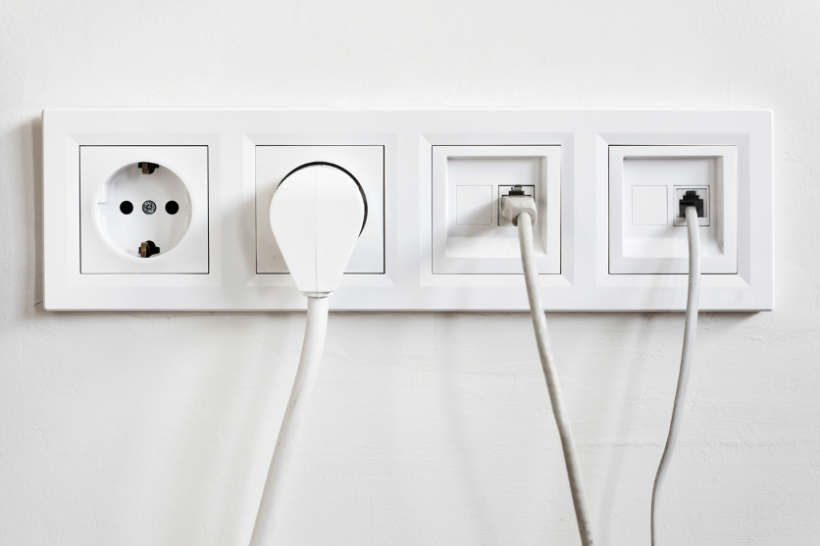
Key Facts
- In Australia, only trained electricians or cablers can install or fix phone sockets. This rule exists to keep things safe and ensure phone and internet connections work properly.
- Older homes might have large, outdated phone sockets like the 500 Series or Australian 610. Modern homes mostly use RJ11 sockets for landlines and internet, or RJ45 sockets for high-speed internet and smart home setups.
- Phone cables follow colour codes so that everything connects correctly. Older systems use red and green wires, while newer internet-friendly wiring uses blue, white, and orange wires to reduce interference and improve call quality.
Australia has strict laws and standards on phone socket wiring to ensure safe and reliable telephone connections in homes and offices.
This guide breaks down the basics of phone socket wiring standards in Australia and the professional installation process. It also covers how different phone sockets work, helping you choose which is best if you plan to upgrade and rewire your home or office.
What is telephone socket wiring?
Telephone socket wiring is a structured cabling process that enables landline phones to connect to different telecommunications networks in Australia. With proper phone socket wiring and connection, homes and offices can have reliable landlines and internet connections at home.
How do you wire a phone jack or socket, and how does it work? It involves setting up various components, including,
- The Network Interface Device (NID): A small box mounted outside the home that serves as the main portal for telephone lines to connect to a home or office.
- The master socket: The main telephone socket, which houses essential components such as the surge suppressor to protect the phones from electrical surges, the capacitor for the phone to ring, and the resistor for line testing and diagnostics.
- Extension sockets: Additional phone outlets used to connect extra landline phones.
- Telephone cable: The internal wiring that transmits phone signals throughout your property.
- Telephone wall plate: The outlet or socket where a telephone or modem plugs in.
Another critical thing to note about telephone socket wiring is that it should be done only by licensed electricians or registered cablers in Australia. This way, installations follow the strict standards of the Australian Communications and Authority (ACMA).
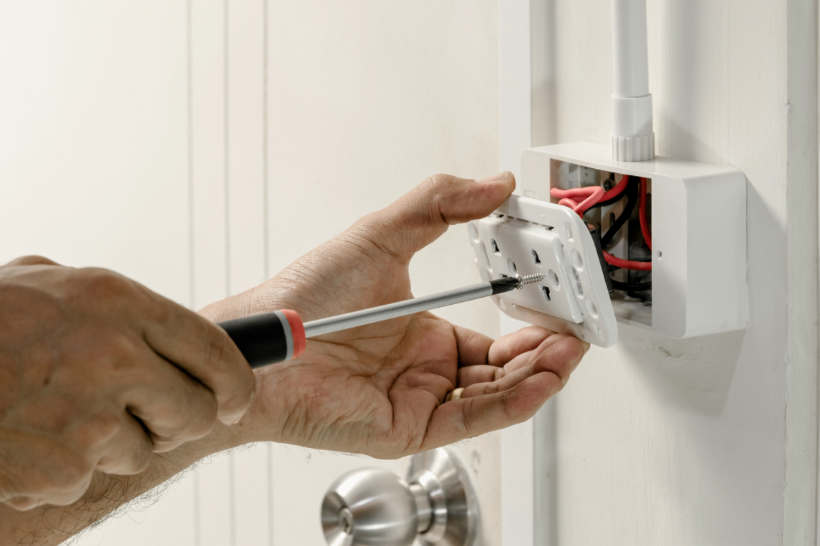
Person wiring a combination socket including telephone ports. | Source: iStock
Australian telephone wiring colour codes
Each telephone socket in Australia has a unique wiring diagram. It’s like a map of how wires inside a phone jack are connected. The diagram also shows the standardised colour codes for older telephone cables and modern telephone landline wiring. Following the right colour schemes results in a safe and efficient telephone connection.
Older telephone cables
Traditional analogue telephones that use older phone sockets, such as the 500 series and Australian 610 sockets, follow the red and green wiring colour code. The red wire is the ‘ring’ that carries the primary phone signal, while the green wire is the ‘tip’ that completes the circuit or connection, allowing the voice signals to travel between the phone and the network.
However, if you already have multiple phones, a second phone line should be installed. This follows the black and yellow colour scheme. The black wire triggers the ring, while the yellow wire triggers the tip.
Modern telephone wiring
Since internet services such as DSL, NBN, and VoIP were introduced, modern telephone wiring uses twisted-pair data cables with more wires to improve signal. These data cables help reduce signal interference and noise, making the connection clearer.
Since modern telephones have a different cabling configuration, the electrical wiring colour codes also differ. The white and blue stripe wire triggers the ring for the main phone line, while the plain blue wire triggers the tip. If there’s a second phone, the white and orange stripe triggers the ring, while the orange wire triggers the tip.
Modern phone systems may have more than two phone lines. So, for additional lines, it goes like this:
- Line 3
- Green – Tip
- White & green stripe – Ring
- Line 4
- Brown – Tip
- White & brown stripe – Ring
What are the legal restrictions on DIY wiring a phone socket in Australia?
As a general rule, licensed electricians and registered cables are the ONLY ones who can wire and install a phone socket, according to the Telecommunications Act of 1997. They should already be registered through the ACMA and other state-specific government bodies, such as the Energy Safe Victoria and Electrical Safety QLD.
Why are only licensed professionals allowed to wire a telephone socket? Phone lines usually carry electrical signals that can cause shock if improperly handled. They might have a low voltage of around 50V DC, but the voltage can increase once the phone starts ringing.
Another reason is that phone lines are part of the broader telecommunications network. Having a professional do the wiring can help avoid tampering with the connection and causing signal issues in homes and the wider network. It also ensures that the wiring follows the Australian Standards AS/CA S009, which outlines telecommunications installations’ safety and quality guidelines.
Penalties for performing unauthorised phone socket wiring
Aside from network disconnection, unlicensed phone plug wiring incurs various penalties. For instance, in Queensland, there’s a $40,000 fine for individuals who perform unlicensed phone line jack wiring. The fine can rise to $600,000 (plus jail time) if the work poses a serious risk of electrocution. This is why it’s vital to follow the Australian electrical standards.
What do pros need to do or have before wiring phone sockets?
Since licensed electricians are the only ones who can legally wire a phone socket, they follow a structured approach to achieve safe and reliable phone socket connections. Here are two key areas they focus on before starting the job:
Required tools
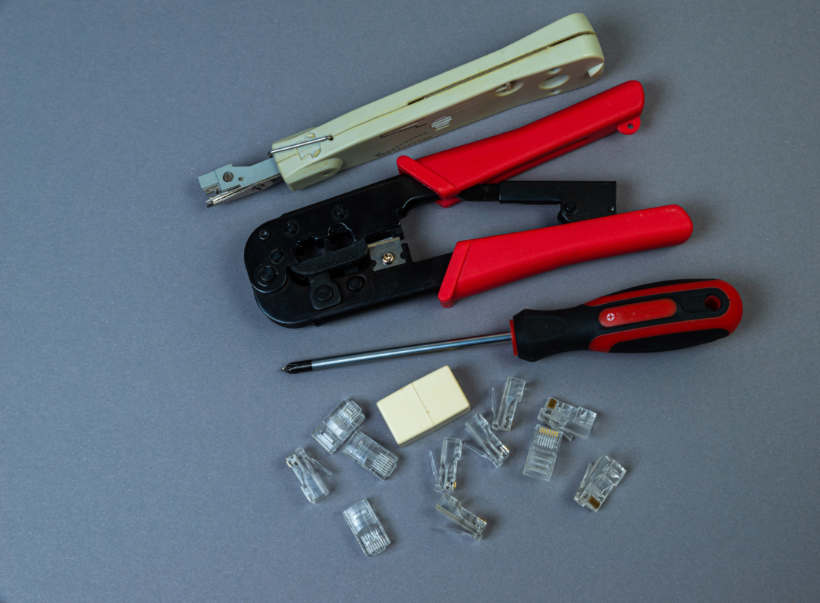
Tools used for setting up telephone sockets and crimping connectors. | Source: iStock
Electricians and handymen use specialised tools to install phone socket wiring securely and precisely. This includes:
- Wire strippers for removing the outer covering of phone cables to access the coloured wires inside;
- Punch-down tool for pressing wires into the small terminals or connection points inside the socket;
- Needle-nose pliers for wrapping and securing terminal screws inside the socket;
- Cable tester for testing and checking if the phone line is connected correctly;
- Screws and wall anchors for securely mounting the phone socket onto the drywall;
- Electrical tape and cable clips for organising and securing the wiring to prevent loose and tangled cables.
Safety measures
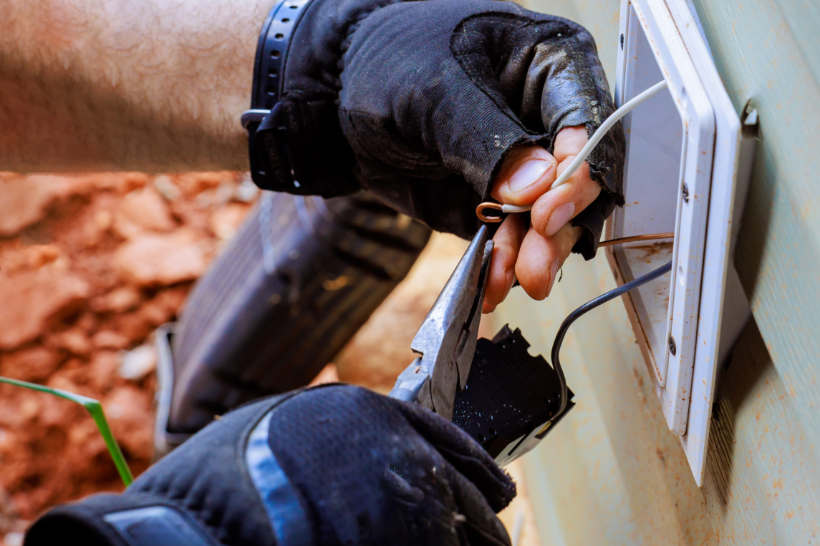
Technician installs telephone wiring at an external wall outlet. | Source: iStock
As mentioned, telephone line installations like phone socket wiring can cause safety issues if not correctly done. This is why professionals still follow strict precautions to prevent damage and potential hazards.
For example, they typically turn off the power and test the phone line with a voltage tester or a simple phone device to check if the line is still active. This way, the phone won’t carry a small voltage of electric current if a call suddenly comes through.
They also use screwdrivers and pliers with insulated handles to reduce the risk of accidental shocks. More importantly, they first inspect the current phone wiring for corrosion, frayed wires, or loose connections to prevent installation issues.
How can you test and troubleshoot your phone socket connection?
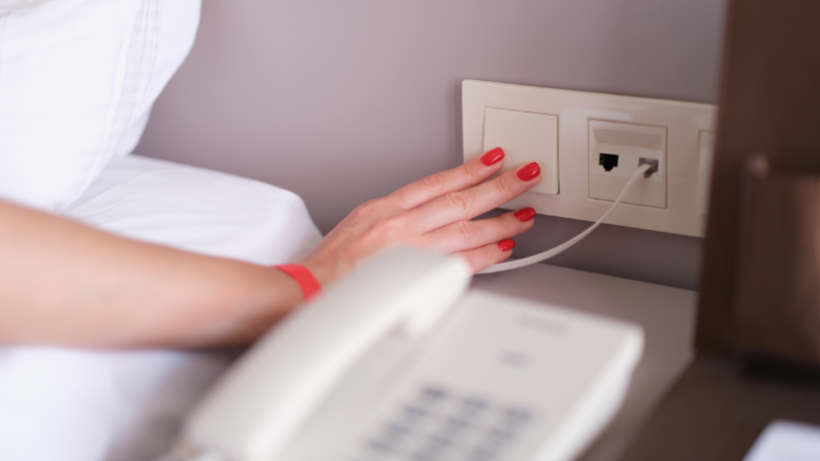
A user connects a telephone cable to a wall-mounted phone socket. | Source: iStock
If you’re planning to hire a licensed electrician, you could test and troubleshoot your phone socket connection first to see if you actually need professional repairs. This helps you save time by quickly identifying and fixing common phone line issues yourself. Here are some simple ways to do this:
- Check for service outages. You can visit your service provider’s website to see if there are any reported issues. For example, if your service provider is Telstra, they have a network outage page you can check.
- Use a different phone to test the line. If you have multiple phone lines at home, try calling on a different phone. If the second phone works but the first one doesn’t, the problem is likely with the phone itself rather than the phone line or socket.
- Test the phone line with a single device. First, unplug other devices, such as internet modems, fax machines, and alarm systems, that are connected to your phone line. Next, plug only one basic corded phone (not a wireless phone) directly into the wall socket and check for a dial tone. If this works, then another device may be interfering with the connection.
- Restart your phone and modem. Turn off all phone equipment, modems, and routers and wait about 10 seconds before turning them back on. This simple reset can fix many minor connection issues.
- Check if the problem is with your internet. If your home phone relies on the internet and there’s no dial tone, check if your internet is working by browsing the web or running an internet speed test. Remember, your phone will not work if your internet is down.
Find skilled and licensed electricians on Oneflare
Licensed electricians and registered cablers have the right tools, knowledge, and safety protocols to handle phone socket wiring and installations. Whether upgrading from older sockets or installing modern connections, they can guarantee a safe and reliable phone socket wiring installation.
With Oneflare, finding skilled and licensed electricians is hassle-free. You can browse verified professionals, read customer reviews, and compare quotes in one place.
Don’t risk DIY errors— connect with a trusted electrician today.
FAQs on telephone socket wiring
How do I report unlicensed or unsafe wiring work in Australia?
If you’ve noticed unlicensed wiring work, you can collect details such as relevant documentation or photos. Next, contact the appropriate authorities to report the issue. Remember that each state has different authorities. For example, if you’re in Queensland, you can contact the Electrical Safety Office, but if you’re in Victoria, you’ll have to report to the Energy Safe office.
Can pros wire a phone socket to support both Internet and telephone services?
Pros can wire a phone socket for internet and phone services using twisted pair cabling systems. Typically, one wire pair is used for the phone line and another for the internet. For NBN, rewiring or different configurations may be needed, and only a licensed electrician can handle these complex installations.
Can pros extend a phone socket to another room? If so, how?
Yes, professionals can extend a phone socket to another room. They’ll first disconnect the existing wires from the current socket and splice them to a new telephone wire. This will help run the new wire to your desired location to install the latest phone jack. Once the new jack is installed, the line is tested to ensure it’s working correctly.
Can pros install phone sockets outdoors?
While it’s unusual, pros can still install phone sockets outdoors. However, standard sockets aren’t weather-resistant. To do it safely, a weather-resistant housing or enclosure is essential to protect the socket from rain, snow, and UV exposure.