Shower hob vs Hobless shower: Here’s what you need to know
Find out the differences between traditional shower hobs versus modern hobless showers to see which suits your bathroom needs best.
Key Facts
- A shower hob is a raised edge or kerb that creates a barrier between your shower area and the rest of your bathroom, preventing water from escaping.
- A hobless shower is a seamless, barrier-free shower design where the floor continues at the same level from the bathroom into the shower area, with strategic sloping for drainage.
Did you know that Australians spend an average of 7–8 minutes in the shower daily? That’s nearly 50 hours per year standing in a space that many of us rarely think about when planning our bathrooms. Understanding what is a shower hob and exploring hobless shower alternatives is essential to help you decide on how you can make this space truly special.
When renovating or building, the choice between these two designs impacts not just aesthetics, but also accessibility, safety, and maintenance. This guide will help you weigh the pros and cons of each option for your bathroom project.
What is a shower hob?
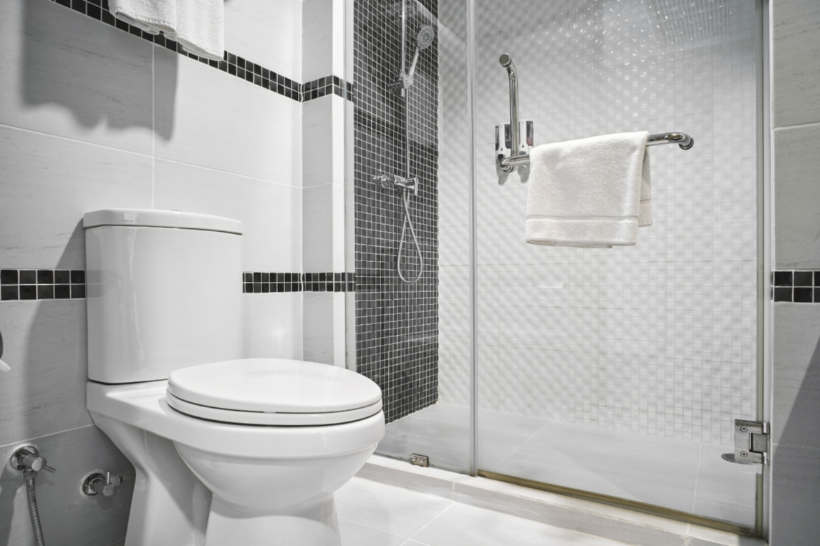
Minimalist design with a shower hob and black tile detailing. | Source: iStock
If you’re wondering about what is a hob in a shower, it’s simply this structural element that keeps water contained in a shower enclosure. Its primary function is to create a physical barrier that keeps water within the shower enclosure, protecting your bathroom floor from water damage and reducing slip hazards.
The presence of a hob in shower designs has been standard practice for decades and is commonly found in bathrooms across Australia. Traditionally, these barriers stand between 80 mm and 100 mm high and can be constructed from various materials, including:
- Tiled hobs (matching or complementing your bathroom tiles)
- Preformed acrylic or fibreglass units
- Natural stone or engineered stone resin
- Concrete rendered and waterproofed
What is a hobless shower or a shower without a hob?
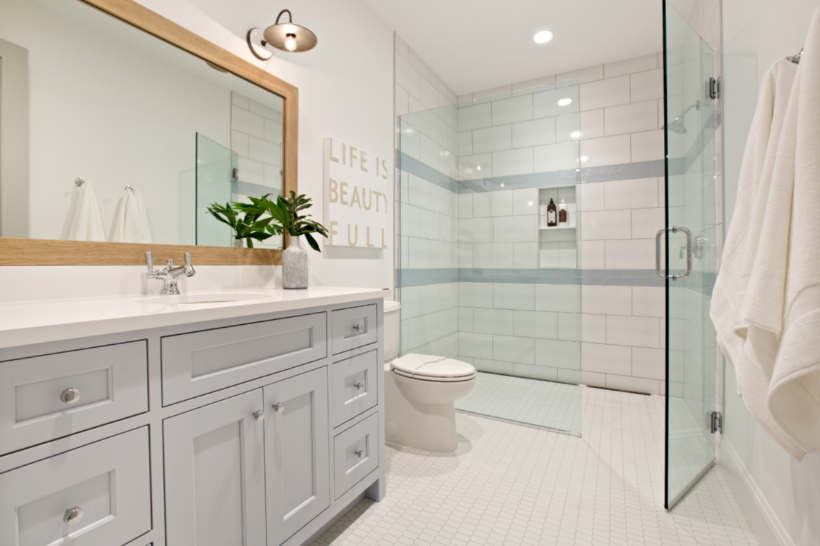
Sleek bathroom design with a hobless walk-in shower. | Source: iStock
Understanding the purpose and meaning of a hobless shower is straightforward—it’s a design that eliminates the raised barrier between the shower area and the rest of the bathroom. Instead of stepping over a curb, you simply walk straight into the shower area. This creates a seamless, continuous floor throughout the bathroom.
The modern appeal of hobless showers lies in their minimalist aesthetic and the sense of spaciousness they bring to a bathroom. Without the visual interruption of a hob, the bathroom appears larger and more open.
Achieving this seamless look requires careful engineering. Now, you might be wondering if hobless showers need to be recessed. The answer is yes—the shower floor must be slightly recessed into the structural floor, allowing for a gentle gradient of 1:80 to 1:100, which channels water towards a drain. So, if the shower area is 800 mm long, and the gradient is 1:80, the floor would slope down by 10 mm from one end to the drain.
An experienced plumber would typically accomplish this through:
- Creating a lowered shower area within the structural floor
- Installing a linear drain system
- Precise waterproofing and tanking
- Careful tile selection and installation to maintain the subtle slope
Before deciding between a shower hob and hobless design, create a comprehensive bathroom renovation checklist to ensure you’ve considered all aspects of your project.
Shower hob vs hobless shower: Which one should you go for?
When evaluating hob vs hobless shower options, several factors come into play, from budget considerations to practical functionality. For a complete understanding of how much bathroom renovations cost, particularly when considering shower design choices, it’s worth understanding several variables.
In terms of cost

Close-up of a shower hob floor designed for water drainage. | Source: iStock
If you’re working with a tight budget, particularly in a new build where you haven’t yet factored in special requirements, a shower hob is a more economical choice. The average cost ranges from $1,300 to $2,900, including waterproofing, tiling, and labour, making it a budget-friendly choice.
In contrast, a hobless shower typically costs 20–35% more than a traditional hobbed shower, with prices starting at $3,200 and reaching up to $10,000, depending on waterproofing, tiling, and labour. This higher cost is due to the need for more extensive waterproofing and drainage engineering, and in renovations, it may also require structural floor modifications.
Recommendation: A shower hob is the more cost-effective choice. But if you’re after modern aesthetics, investing in a hobless shower may be worthwhile.
In terms of design and aesthetics
For modern, contemporary bathrooms where spaciousness is desired, a hobless shower delivers superior aesthetic results. It pairs seamlessly with frameless glass shower screens, creating an uninterrupted, modern aesthetic. The seamless flow creates an unparalleled luxurious feel, especially when combined with a powerful shower system.
If you prefer a more traditional look or want clearly defined spaces within your bathroom, a hobbed shower might better suit your design preferences. It creates a defined shower space within the bathroom, providing a clear visual separation between wet and dry areas. It can also be incorporated as a design feature by using contrasting materials, making it a versatile choice for traditional bathroom styles.
Recommendation: For accessibility and future-proofing, a hobless shower is the best choice.
In terms of practicality and functionality
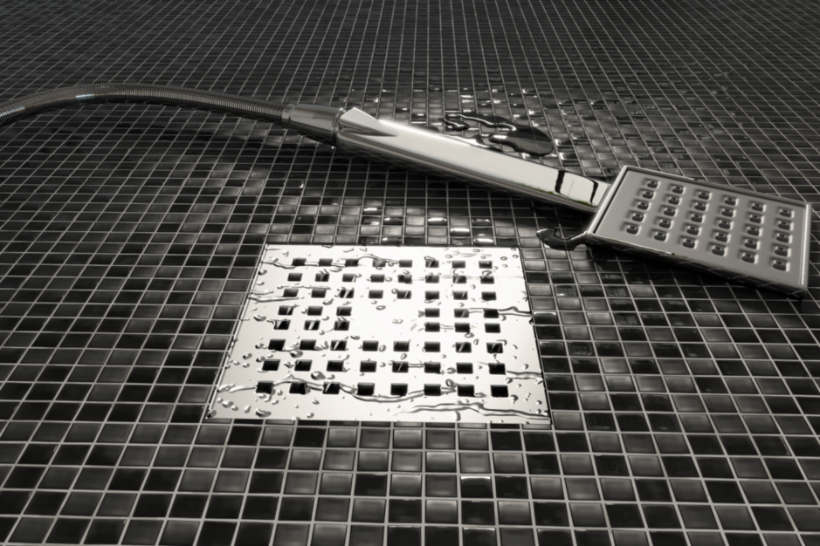
Sleek shower hob with dark mosaic tiles and minimal floor barrier. | Source: iStock
If accessibility is a priority or you’re planning an age-in-place home, a hobless shower is the clear winner. The elimination of trip hazards and ease of access make it ideal for universal design principles. However, it will require high-quality drainage systems to prevent water spreading and may need regular maintenance of drainage to ensure proper water flow.
Meanwhile, for family bathrooms with young children who might splash enthusiastically, a traditional hob in bathroom design might provide better water containment. This might address the most common bathroom renovation mistakes, where parents underestimate the importance of proper drainage in open designs.
Recommendation: For accessibility and future-proofing, a hobless shower is the best choice.
In terms of installation
For renovation projects with limited timeframes or where minimal disruption is preferred, shower hobs offer simpler, quicker installation. Its installation process and waterproofing techniques are more straightforward, and it can be retrofitted to most existing bathrooms without major structural changes.
New builds provide the ideal opportunity for hobless showers, as the necessary structural allowances can be incorporated from the beginning. With hobless showers, your bathroom may need to undergo structural modifications, especially in renovations. Plus, it requires specialised drainage solutions (often linear drains).
Standard waterproofing techniques are essential for both types of showers, but hobless designs require more extensive work.
Recommendation: For quick and easy renovations, go for a shower hob.
In terms of safety

Grab bar and mixer tap installed in a tiled hobless shower space. | Source: iStock
For households with elderly members or people with mobility challenges, hobless showers offer superior safety by eliminating trip hazards, although bathroom resurfacing costs might leave a huge dent in your pocket. The choice of floor tiles is also crucial for hobless showers, as they need to have sufficient slip resistance to ensure safety and mitigate the risk of water spreading beyond the shower area.
On one hand, shower hobs provide sufficient water containment, reducing slip hazards in the general bathroom area. However, the hob itself can be a trip hazard, particularly for the elderly or those with mobility issues. To minimise impact risk, it can be designed with rounded edges, making it a safer option while maintaining its practical benefits.
Recommendation: A hobless shower is the best choice for accessibility but requires careful drainage planning.
Shower thoughts: The final word on hobs vs hobless showers
Your choice between a shower hob and hobless design ultimately depends on balancing practical needs with aesthetic preferences. Hobs offer traditional reliability, excellent water containment, and cost-effectiveness for standard home renovations, while hobless showers provide contemporary aesthetics, enhanced accessibility, and a sense of spaciousness that adds significant value despite their more complex installation and higher initial investment.
As you explore shower hob options—whether with it or without—ensure proper installation by working with experienced bathroom renovators for the longevity and functionality of your bathroom. Your daily sanctuary deserves nothing less.
Shower hob vs hobless shower: Which one should you go for? |
||
|---|---|---|
| Factors | Shower hob | Hobless shower |
| Cost | More budget-friendly | Can be 20–30% more expensive |
| Design & aesthetics | Defines shower spaces, suits traditional bathroom styles | Modern design and creates a seamless and spacious look |
| Practicality & functionality | Contains water better, ideal for family bathrooms | More accessible, prevents trip hazards, but requires quality drainage |
| Installation | Easier and quicker to install, better for renovations | Requires structural modifications, better for new builds |
| Safety | Reduces water spreading but can be a trip hazard | Required slip-resistant tiles and proper drainage |
FAQs on shower hobs and hobless showers
Can I install a hobless shower in an existing bathroom?
Yes, you can install a hobless shower in an existing bathroom. However, it typically requires more extensive modifications, usually a full-fledged bathroom remodel, than installing a traditional shower with a hob. Always consult with a bathroom renovation specialist to assess the feasibility of your specific situation.
What is the best material for a shower hob?
The best material for a shower hob depends on your bathroom’s style and budget.
- Rendered and tiled hobs offer customisation with your choice of tiles, allowing them to blend seamlessly with your shower base.
- Preformed acrylic or fibreglass hobs provide a waterproof, cost-effective solution that’s easy to install, making them ideal for budget-friendly bathroom renovations.
- Natural stone or engineered stone offers premium aesthetics but comes at a higher price point.
All materials should be properly waterproofed according to Australian standards.
Are there any safety concerns with hobless showers?
The main safety concern with hobless showers is water containment. Without a physical barrier, water may spread beyond the shower area if the floor gradient, drainage system, or shower screen doesn’t effectively contain spray. This can create slip hazards, that’s why using slip-resistant tiles throughout the bathroom is also advisable.
Can I install a shower hob myself?
Installing a shower hob yourself is possible if you have advanced DIY skills, knowledge, and experience. But it’s generally best to leave the complex job to a professional. Learning how to tile a shower hob requires careful attention to detail and knowledge of waterproofing techniques.
In Australia, bathroom waterproofing must comply with Australian Standard AS 3740, and improper installation can lead to water damage and costly repairs. Most states require licenced tradespeople for waterproofing work.